In the evolving world of media, sound remains one of the most underestimated yet powerful tools of communication. Whether you’re watching a film, playing a mobile game, or even navigating a website, the subtle influence of audio is what creates atmosphere, directs emotion, and builds immersion. At studios like TLaudio, where expert sound design, Foley, mixing, and mastering converge, audio isn’t just background noise – it’s the heartbeat of a story.
The Sound of User Experience: Unexpected Places Where Audio Matters
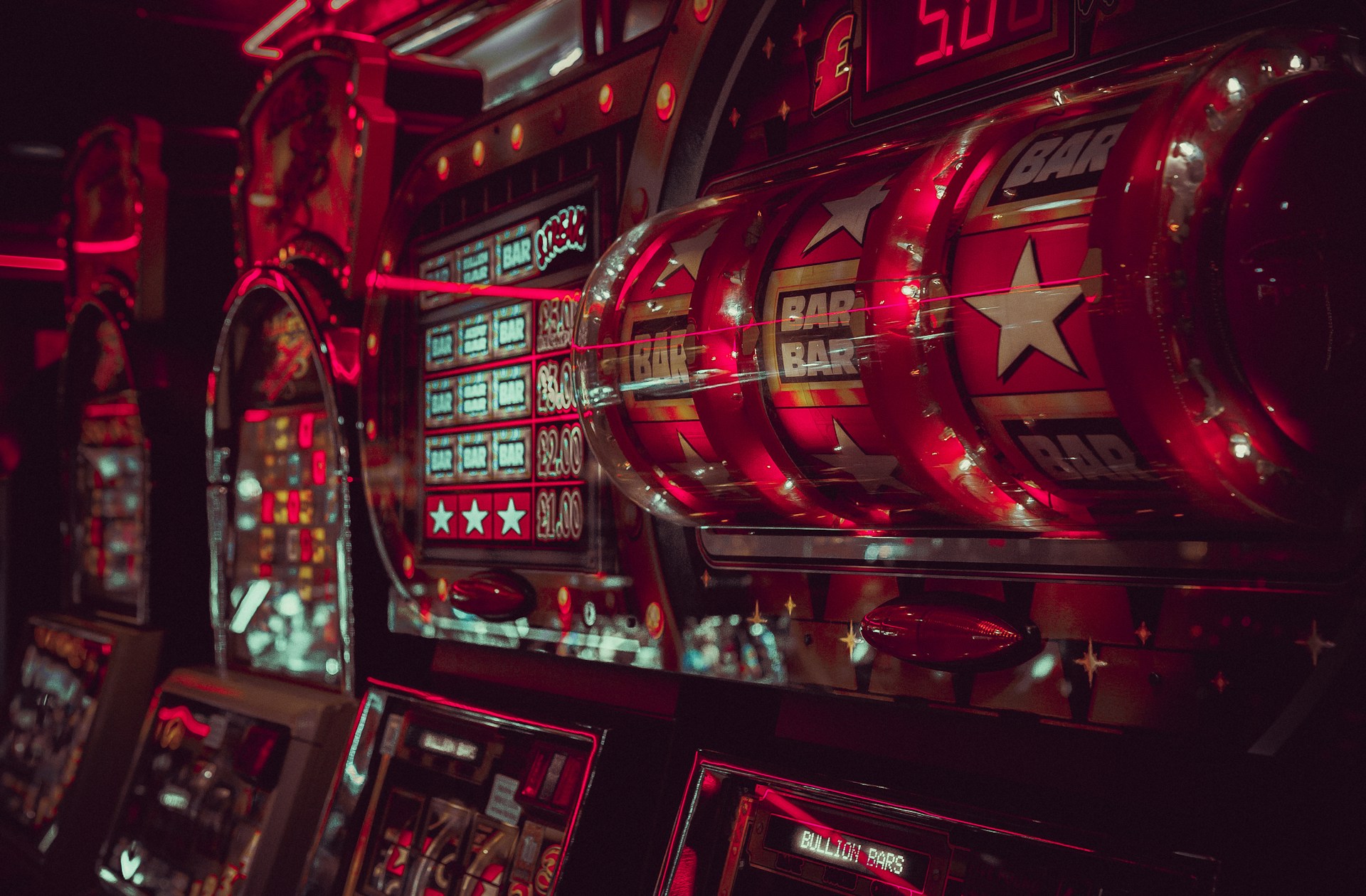
Sound design reaches far beyond film or music. Even in spaces you wouldn’t immediately associate with audio, such as browser-based entertainment or online interfaces, it plays a pivotal role. For instance, the user experience on platforms like Amigo Casino relies heavily on subtle audio cues – clicks, reward jingles, and background tones – all tailored to evoke engagement and rhythm without overwhelming the player. These auditory layers, while often overlooked, are essential to creating a polished and immersive digital space.
The Art Behind the Audio
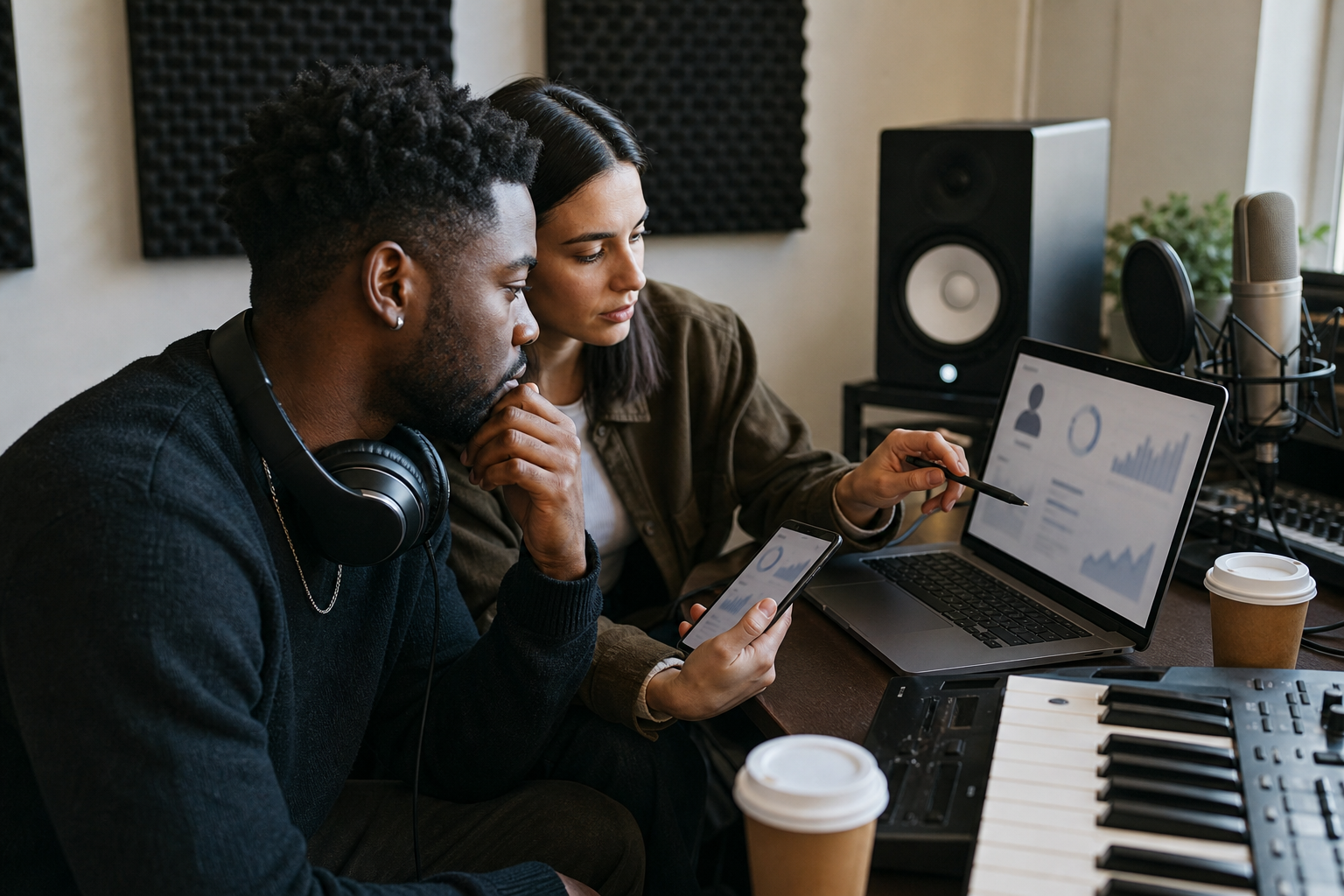
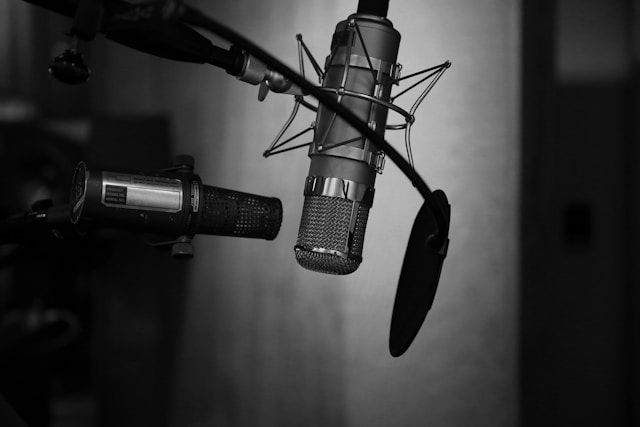
What separates a good film from a great one? Often, it’s not the visuals but the unseen and unheard elements – the footsteps on gravel, the rustle of clothing, the murmur of distant traffic. These audio cues are carefully curated through Foley and dubbing, techniques that TLaudio applies with precision. Every sound is recorded with intent, using a controlled acoustic environment and professional-grade equipment to ensure clarity and balance.
Why Physical Studios Still Matter in a Digital Age
In an era of AI-generated voices and pre-made sound libraries, some creators may ask: why invest in physical recording studios? The answer is simple – authenticity. While automation offers convenience, it often lacks the nuance, emotion, and realism of professionally captured audio.
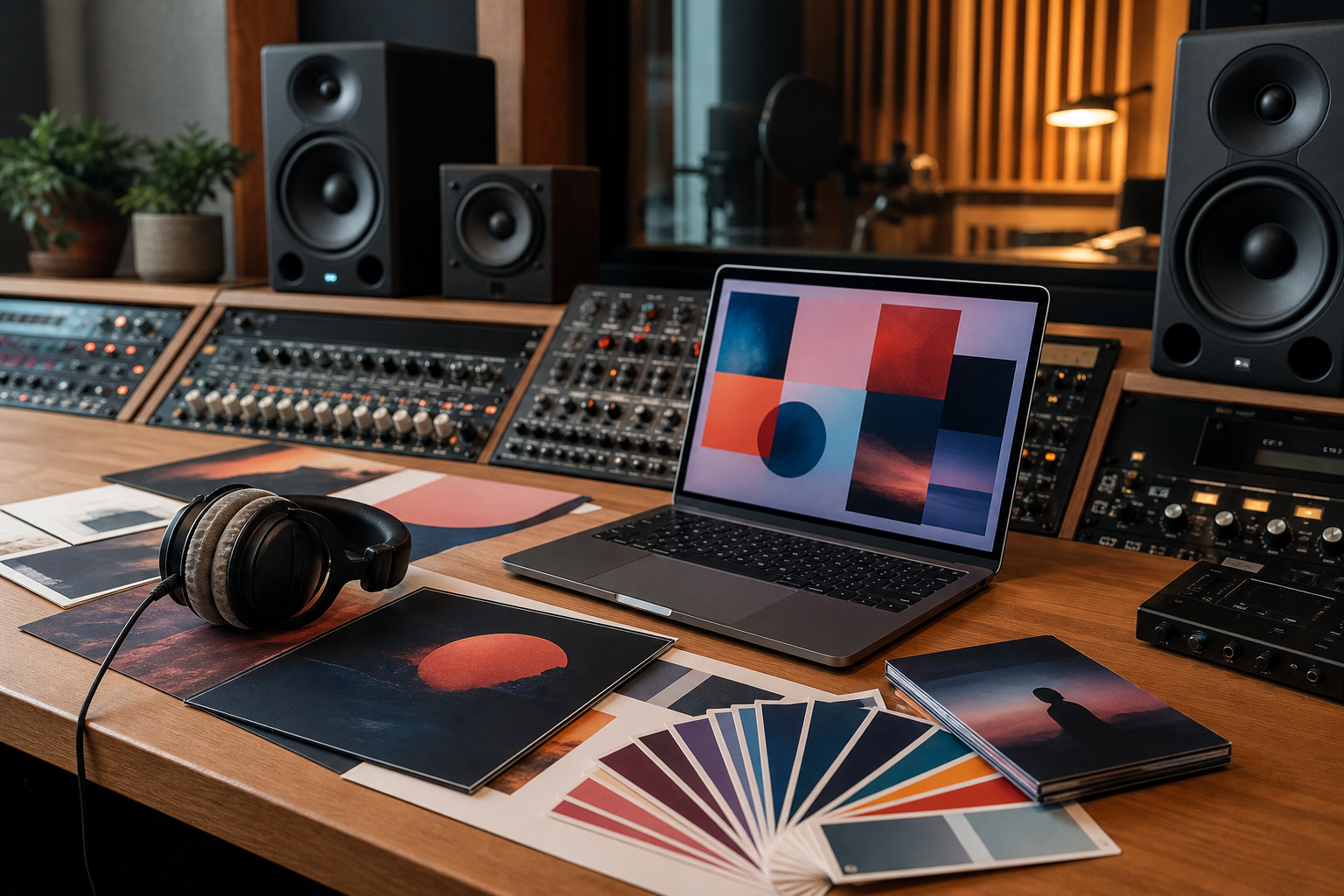
Studios like TLaudio are acoustically treated environments that allow producers to isolate and perfect each sound element. From room tone to microphone selection, every variable is optimized to capture a sense of space and presence that digital effects often miss. The result? Audio that feels more natural, more impactful, and more connected to the real world.
Audio’s Role in Digital Trust
High-quality sound doesn’t just serve art – it also builds credibility. Whether you’re creating a branded podcast, a product demo, or an indie film, poor audio can undercut your message faster than bad visuals. Listeners may not consciously notice when audio is exceptional, but they always notice when it’s poor.
In this sense, even industries known for entertainment – like iGaming or lifestyle apps – invest in sound quality to increase engagement and perceived professionalism. It’s a detail that separates rushed products from those built with care and intention.
The Psychology of Sound in User Interaction
Sound affects our brains faster than visuals do—triggering emotional and physical responses almost instantly. This is why even a short notification chime can evoke anticipation or urgency, and why background audio in an app can ease navigation and promote longer user engagement. Studios like TLaudio understand this subtle psychology and apply it across projects to influence behavior in intentional ways. Whether it’s the rising tension in a cinematic trailer or the calming ambiance of a meditation app, these audio layers are built not just to be heard, but to be felt.
A Future Built on Sonic Branding
As brands compete in increasingly saturated digital spaces, sonic identity has emerged as a key differentiator. Just as a logo represents visual recognition, consistent and well-crafted audio becomes a brand’s audible signature. TLaudio contributes to this new frontier by helping businesses create distinctive soundscapes from custom notification tones to immersive branded podcasts. As users grow more accustomed to high-quality audio across platforms, companies that prioritize authentic, meaningful sound will not only stand out but stay remembered.
Elevating Accessibility Through Sound
Beyond aesthetics and branding, audio also plays a crucial role in accessibility. For users with visual impairments, well-structured sound cues can provide essential navigation assistance and context that visuals alone cannot convey. TLaudio’s commitment to precision and clarity in audio design supports the development of more inclusive digital experiences. Whether through descriptive soundscapes, adaptive audio layers, or well-balanced voiceovers, thoughtful sound design ensures that content remains engaging and functional for a wider, more diverse audience.
Audio is the invisible thread that ties a user to an experience. Whether you’re building a cinematic moment or just recording a voiceover for an explainer video, the way you handle sound can make or break the outcome. TLaudio stands as a reminder that behind every great visual story, there’s a world of sound carrying the emotion, shaping the mood, and guiding the audience through the experience.