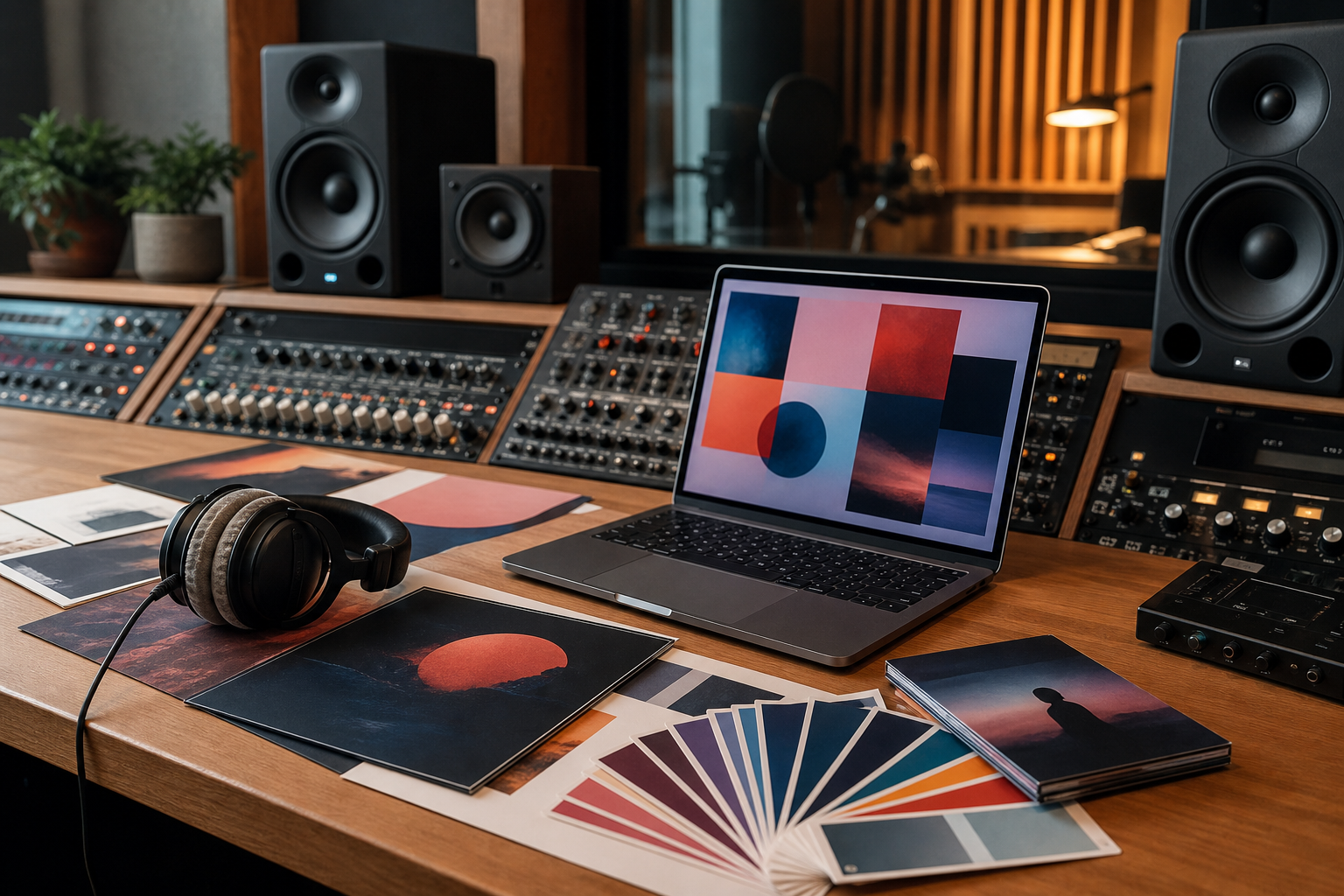
AI has moved far beyond being a simple production shortcut. In 2026, it deeply integrates into professional mixing and mastering workflows across studios, independent production spaces, and even mobile setups.
That’s why engineers are no longer using AI only for experimentation. Many tech experts now rely on it daily for technical analysis, workflow speed, and faster project turnaround.
Beyond making perfect music, AI is dramatically improving efficiency. We can now complete tasks that once took hours in minutes. That gives producers more time to focus on creative decisions instead of repetitive corrections.
AI Mixing Tools Have Become Much Smarter
A few years ago, AI mixing software sounded stiff and generic as most systems applied broad presets without understanding context. This has changed quickly.
Modern tools from companies like iZotope, Waves Audio, and Sonible now analyze entire sessions using machine learning models trained on thousands of professional mixes. The software can identify harsh frequencies, vocal masking, stereo imbalance, and dynamic problems almost instantly. Rather than manually sweep through EQ bands for long periods, engineers now receive detailed suggestions within seconds.
As a result, the entire workflow has changed significantly. Rather than spend most of the session fixing technical issues, this provision means engineers can now move into creative shaping much earlier.
Independent Artists Are Realizing the Biggest Impact
AI audio tools are also changing who can access professional-level production. For years, quality mixing and mastering required expensive studios or outsourced engineers. That barrier has dropped significantly by 2026. Independent artists can now achieve polished results using AI-assisted plugins and cloud mastering systems from home studios.
This is especially important because the amount of music being released is growing rapidly. Industry estimates show that streaming platforms receive over 120,000 uploads daily in 2026. That volume created huge demand for swifter and more affordable production solutions.
AI has stepped in to fill that gap. Artists working alone can now create mixes that meet commercial loudness standards and streaming requirements without needing large production budgets.
Mastering Workflows Have Become Much Faster
Platforms like LANDR and CloudBounce can now generate polished masters within minutes. With them, artists can automatically analyze loudness, compression, stereo width, and streaming optimization targets.
For independent musicians, this speed has proven extremely valuable. Artists release music more frequently now, especially on platforms like Spotify and TikTok, where consistent output helps visibility and audience growth. While traditional mastering schedules can’t keep up with that pace, AI systems are helping to bridge the gap.
Studio Economics Are Changing Too
AI is also reshaping the business side of audio production. Smaller studios can now compete more effectively because advanced processing tools are no longer limited to major facilities.
One person can now leverage AI-assisted systems to execute tasks that once required multiple engineers. This provision lowers production costs for labels and creators.
It’s also why some entry-level engineering roles are becoming less common. Since basic editing, cleanup, and correction work is increasingly automated, newer engineers move towards creative specialization rather than purely technical work.
…Despite Concerns About Over-Polished Music
Despite these benefits, many professionals are still hesitant to fully embrace AI-driven production. Some engineers worry that automated processing leads to overly clean and overly similar mixes. Even more, when large numbers of creators use similar presets and optimization targets, songs can begin sounding too similar.
And they have a point. Thanks to a growing streaming culture, producers now favour louder and more compressed sound profiles. However, that trend can become hackneyed when producers overuse AI tools in a way that unwittingly accelerates that trend. Here’s why human input remains invaluable in producing top-quality music.
Conclusion
AI tools are transforming professional mixing and mastering by reducing technical workload, speeding up production, while expanding access to high-quality audio processing. Companies like iZotope and LANDR are helping artists and engineers work faster while maintaining commercial audio standards.
But the most important part of music production still comes from people. The strongest mixes today usually happen when AI handles the technical foundation and humans shape the emotional experience.