For a long time, music production and audience building were treated as separate jobs. The studio was where the work became serious, while social media was where the finished result was promoted. That divide no longer reflects how music careers grow. Today, an artist’s audience is not just a marketing channel. It can shape release timing, content choices, collaboration opportunities, and even the way a song is arranged for the platforms where listeners first discover it.
Audience Insight Does Not Replace Creative Taste
Musicians should never let metrics write the song. A strong record still begins with taste, emotion, performance, and craft. Audience insight is useful because it adds context, not because it provides orders. A producer might hear the strongest hook in the second chorus, while the audience repeatedly responds to a stripped-back vocal line, a drum fill, or a short instrumental texture. These signals do not replace creative instinct. They sharpen it.
Where Social Signals Enter the Production Process
The modern listener often meets a song before the official release. They see studio clips, lyric fragments, demo versions, rehearsal videos, livestream moments, and short vertical edits. By the time the final master arrives, part of the audience may already have a relationship with the material. Smart artists use that process carefully. They observe what creates genuine engagement, while protecting the song from being reduced to whichever snippet performs best.
A useful audience strategy can support the production process in several concrete ways:
- It helps identify which moments in a song are most memorable outside the full track.
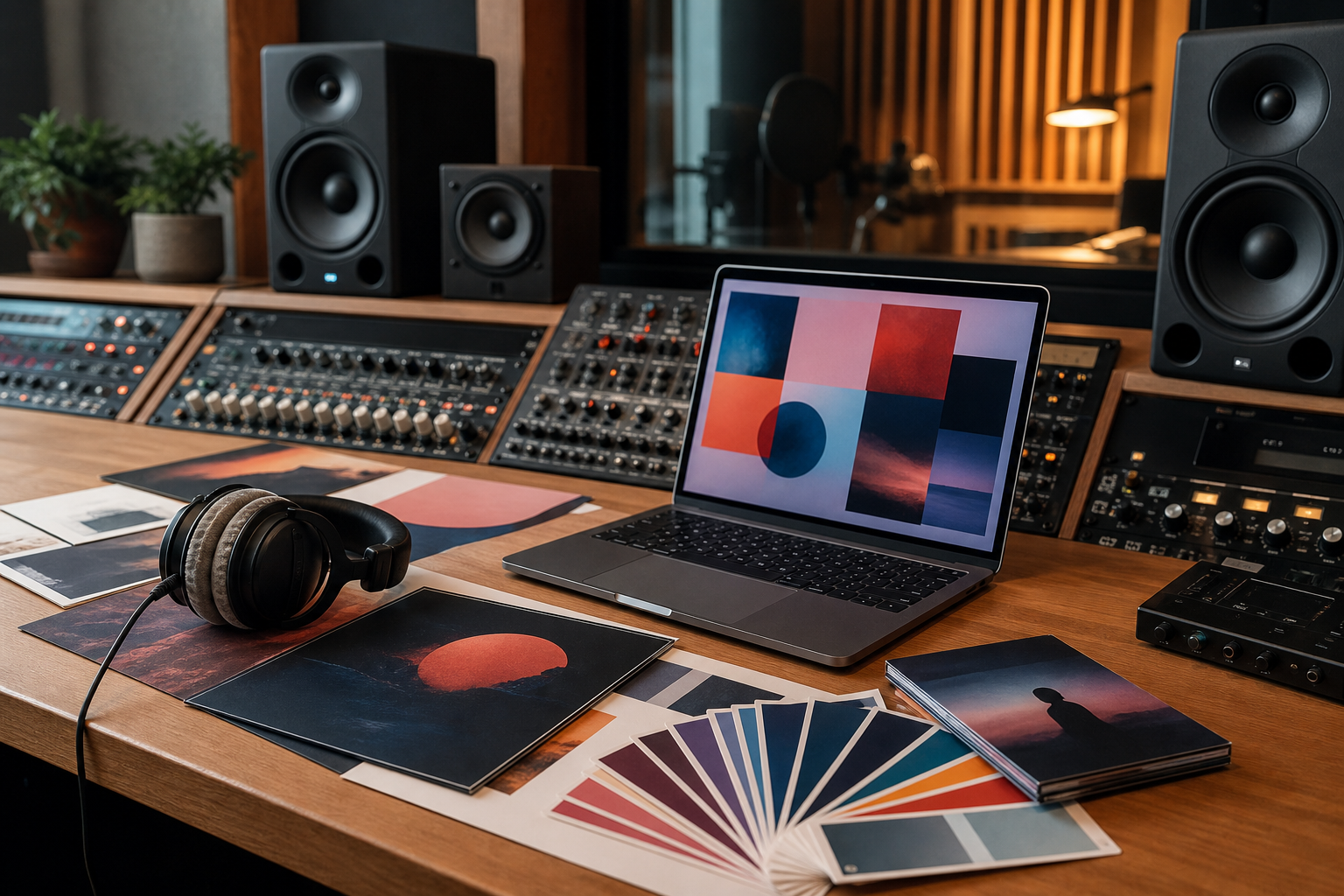
- It reveals which visual mood fits the artist’s listeners before campaign assets are finalized.
- It guides what studio content is worth capturing during recording sessions.
- It helps managers and producers plan release timing around real audience attention.
Using Instagram Data Without Losing Perspective
Instagram remains central for many musicians because it combines personality, visual identity, short video, messaging, and fan discovery. But it can also become noisy. Artists may not know which followers are real fans, casual observers, industry contacts, inactive accounts, or accounts that distort engagement. A privacy-first tool such as WhoDipped can fit into a broader audience audit by helping artists review Instagram follower changes and community signals without handing over their login details.
The value of that kind of review is strategic, not emotional. It is easy for artists to treat follows and unfollows as personal judgment. A healthier approach is to read patterns. Did a campaign attract people who stayed? Did a style change confuse the audience or simply filter it toward a better fit? Did a collaboration bring listeners who engaged with the music, or only with the other artist’s name? These questions turn social data into creative planning.
The Studio as a Content Source
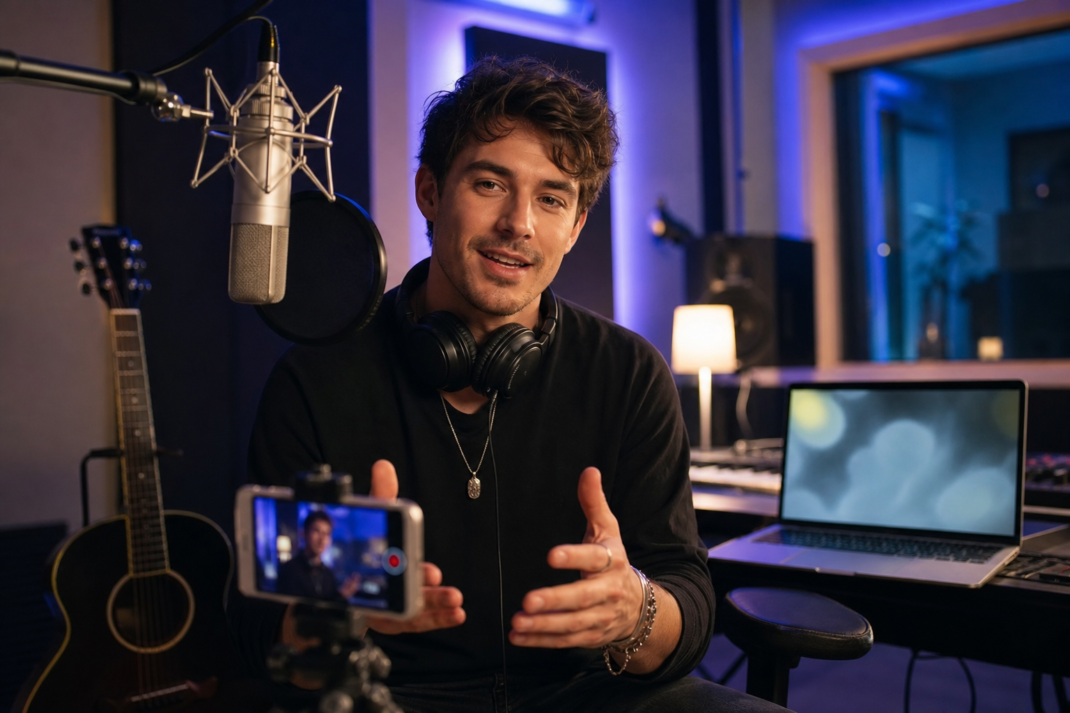
For independent artists, the studio can become a source of authentic communication as well as creation. A microphone setup, guitar tone experiment, harmony stack, drum edit, or before-and-after mix comparison can become content that educates fans and deepens the story of the release. This does not require turning every session into a broadcast. It requires capturing a few meaningful moments while the process is already happening.
Boundaries matter. Not every session should be content, and not every audience reaction deserves a production change. Artists need space to make uncertain, private, and imperfect work. The best strategy is selective transparency: share moments that strengthen the story while keeping enough room for experimentation.
Final Thoughts
A strong production strategy should include a simple audience layer. Before recording, define who the release is for and what kind of relationship the artist wants to build. During recording, capture genuine moments that support the music. Before release, audit the social audience and clean up misleading assumptions. After release, study which content led people back to the track, not just which post performed well.
Music will always begin with feeling and craft. Audience data should never flatten that into formula. But when musicians understand who is listening, how they respond, and where the relationship is strongest, they can make better decisions around the music. The result is not a less creative process. It is a more connected one.